1
Ripping
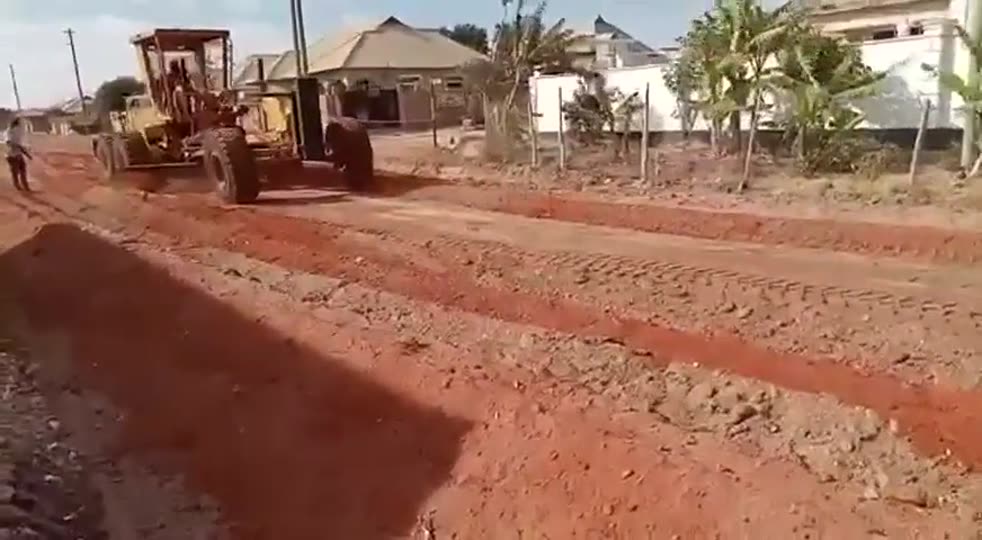
The grader scarifies the existing road to a depth of up to 20 cm. Old surfacing, potholes and ruts are broken up and worked back in: nothing is hauled away.
Grader

In-place soil stabilisation
A plant-based binder turns the site's own soil into a load-bearing road. No aggregates trucked in, no cement, no bitumen in the base.
The principle
Dry, well-compacted earth bears loads perfectly well. What destroys a road is the water that seeps into it: the soil loses cohesion, traffic deforms it, and every rainy season makes the damage worse. The conventional method works around the problem by digging this soil out and replacing it with aggregates hauled in from far away.
NOVAROADS tackles the problem at its source. The plant-based binder, spread and then mixed in, binds the fine particles of the soil in place. After compaction, water no longer moves through the mass: the ground itself becomes the load-bearing structure.
The existing soil is dug out and replaced. Everything that carries the road comes from elsewhere.
Nothing is dug out: the foundation is the ground itself, treated and compacted. On a heavy-traffic road, 3 cm of asphalt is enough instead of 12.
On site
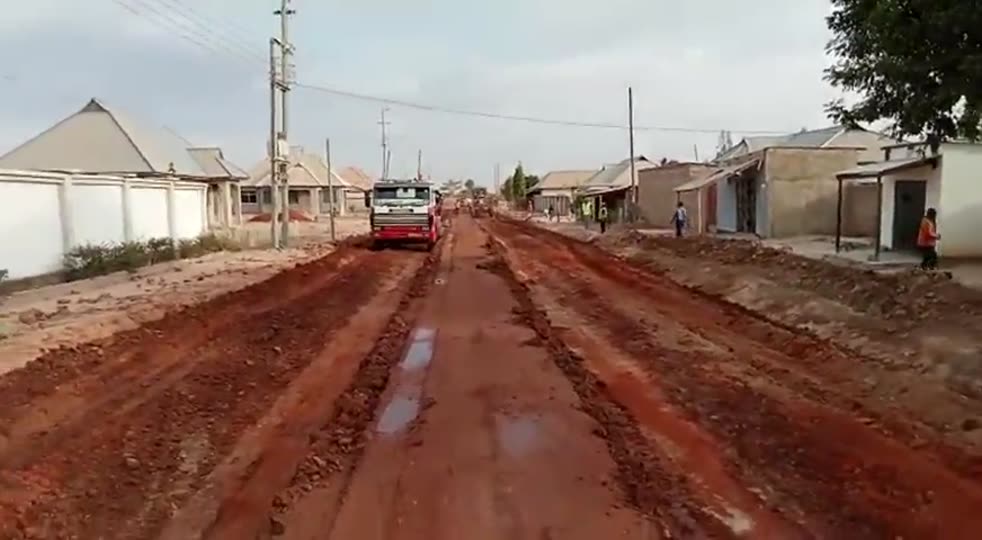
Footage filmed on site, on lateritic soil. No quarry to open, no asphalt plant, no fleet of trucks: just standard equipment, available or rentable locally.
The grader scarifies the existing road to a depth of up to 20 cm. Old surfacing, potholes and ruts are broken up and worked back in: nothing is hauled away.
Grader
The plant-based binder, diluted in the tanker's water, is spread and then mixed through the full treated depth. All the product for the site fits in one tanker.
Spray tanker
A 10 to 12 tonne roller densifies the treated soil. The voids disappear, the road becomes impermeable and gains its bearing capacity.
10 to 12 t roller
After 48 hours of curing, the road is tested on site: it does not crumble, rut or turn to dust. The road is open.
Day 2 · open to traffic
NOVAROADS supplies the binder, the engineering, the geotechnical protocol and crew training. Local operators, even with no prior technical qualification, are trained on site: the know-how stays in the country.
Pricing
On one kilometre of conventional road, some 500 truck round trips haul away spoil and bring in aggregates. Each one burns fuel, wears out vehicles and ties up drivers. Treating the soil in place eliminates these trips. What they are worth depends on where you are, which is why every price is set locally.
The further aggregates, cement and bitumen have to travel, the more a conventional road costs, and the more difference treating in place makes.
The geotechnical analysis sets the binder dosage and the treated depth. A clay soil is not treated like laterite.
Hiring the grader, tanker and roller, like the cost of the crews, varies from one country to another and feeds straight into the price.
Bare treated soil, surface dressing, thin asphalt or concrete paving: the finish follows the expected traffic and changes the final price.
Length, width and phasing determine how crews are organised and what it costs to mobilise the site.
The product travels in small volumes, but shipping it to the site and import formalities vary by destination.
After the soil analysis, NOVAROADS prices your project under your country's conditions and sets it against the equivalent conventional solution on the same site. You compare two real prices for the same works, not an average.
Applications
The soil treatment stays the same. Only the finish changes with traffic: none, surface dressing, thin asphalt or concrete paving.
Full signage on request: signs, road markings, smart traffic lights, speed display signs.
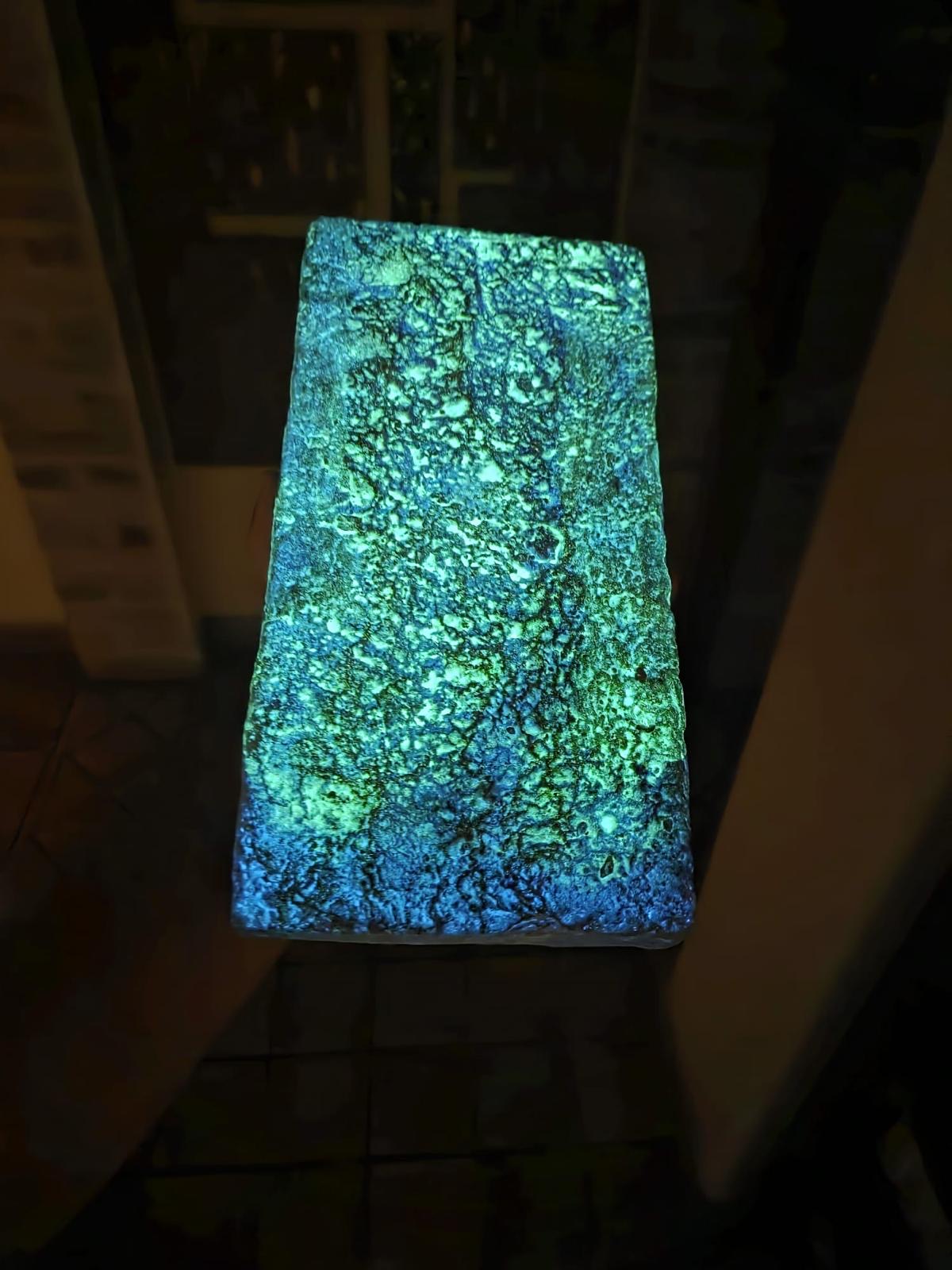
Luminescent surfacing
An eco-friendly surfacing that gives back at night the light it absorbs by day. It makes paths and tracks safer and gives your entrances a unique visual identity.
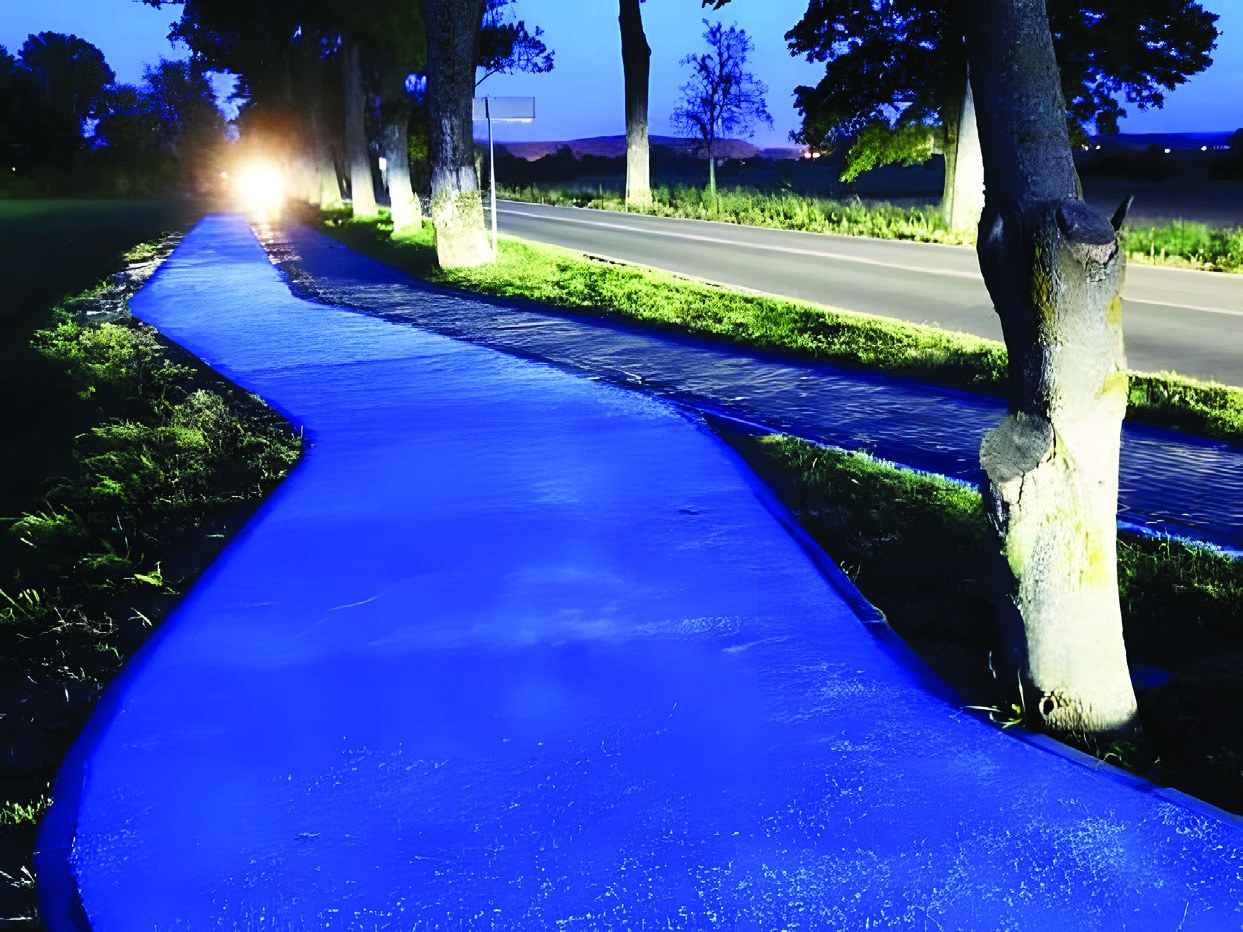
Public authorities
Running cables and installing street lights is expensive, especially far from the grid. The surfacing marks out the route at night for pedestrians, cyclists and drivers.
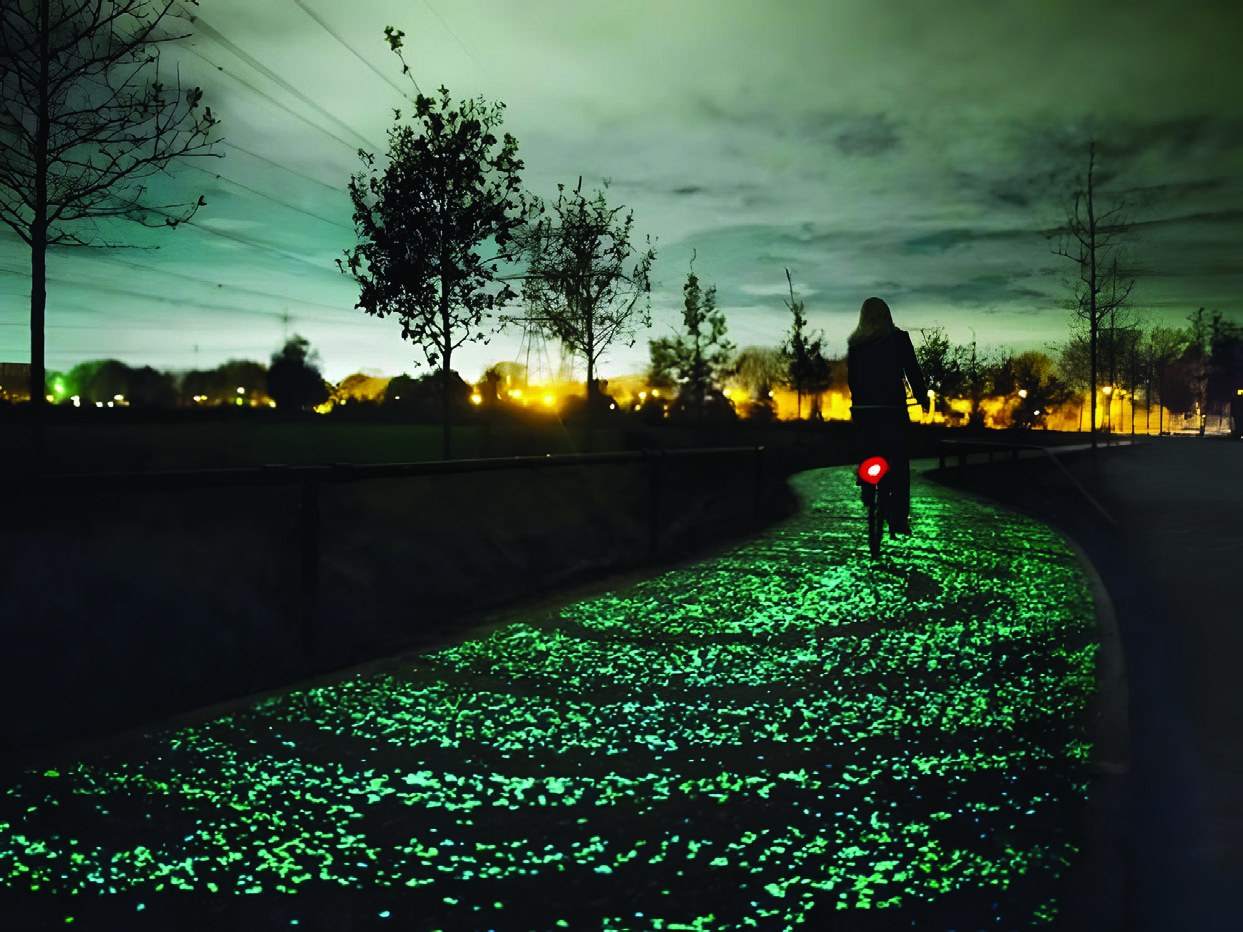
Businesses and private clients
Bring a touch of magic to your paths and private roads, or to the entrances of your venues. The colour matches your company's visual identity or the atmosphere of your property.
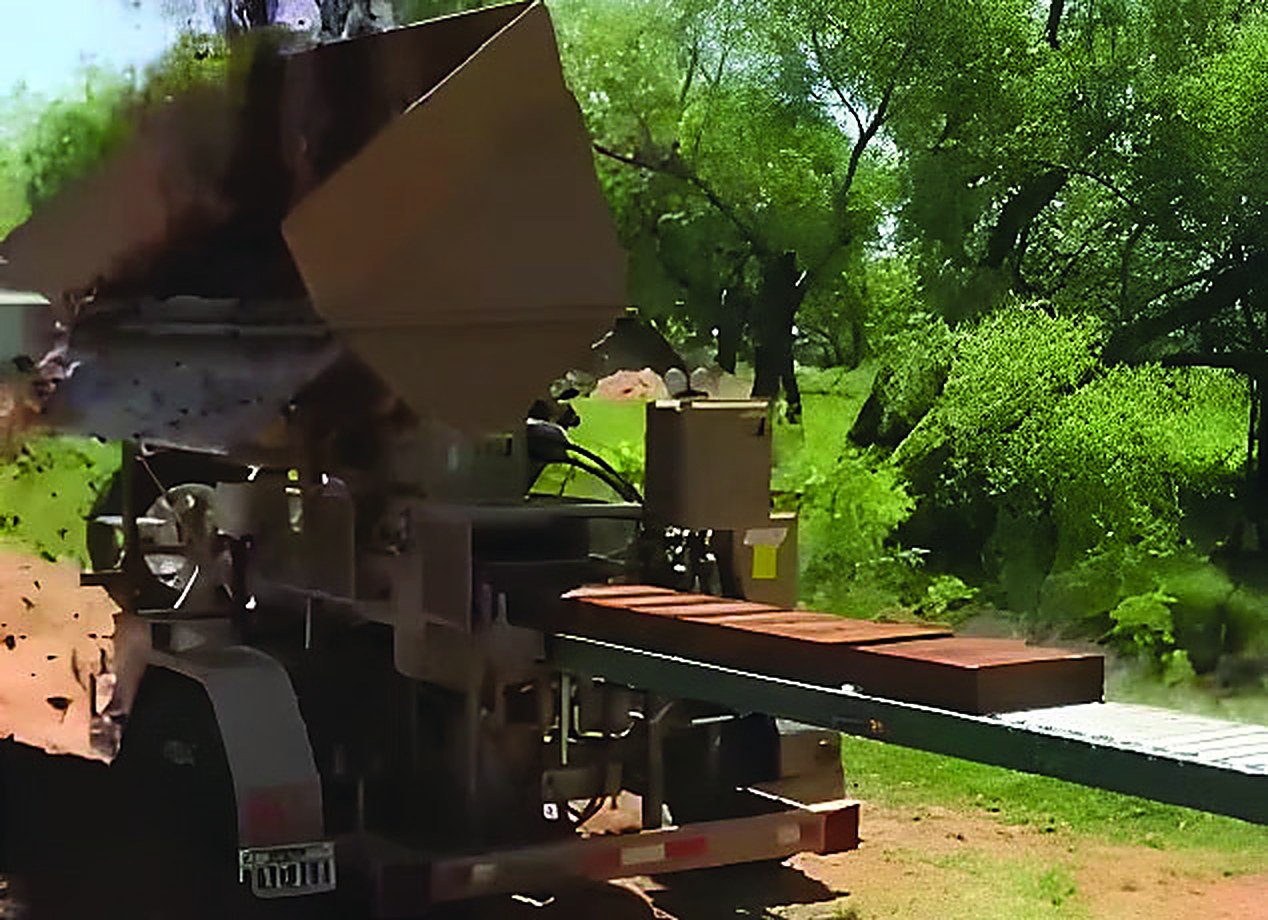
Beyond roads
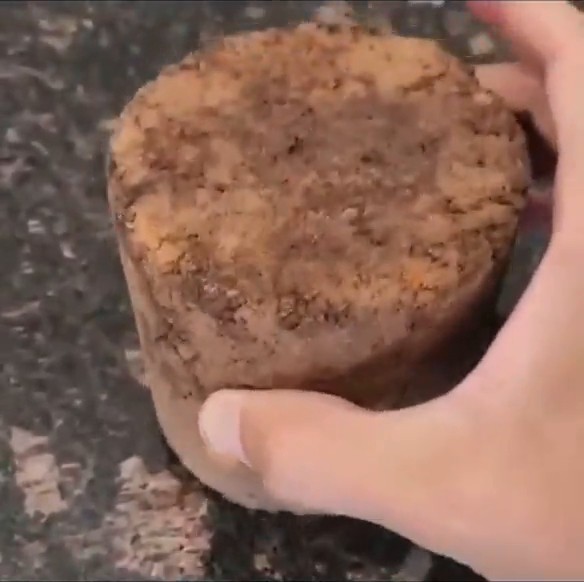
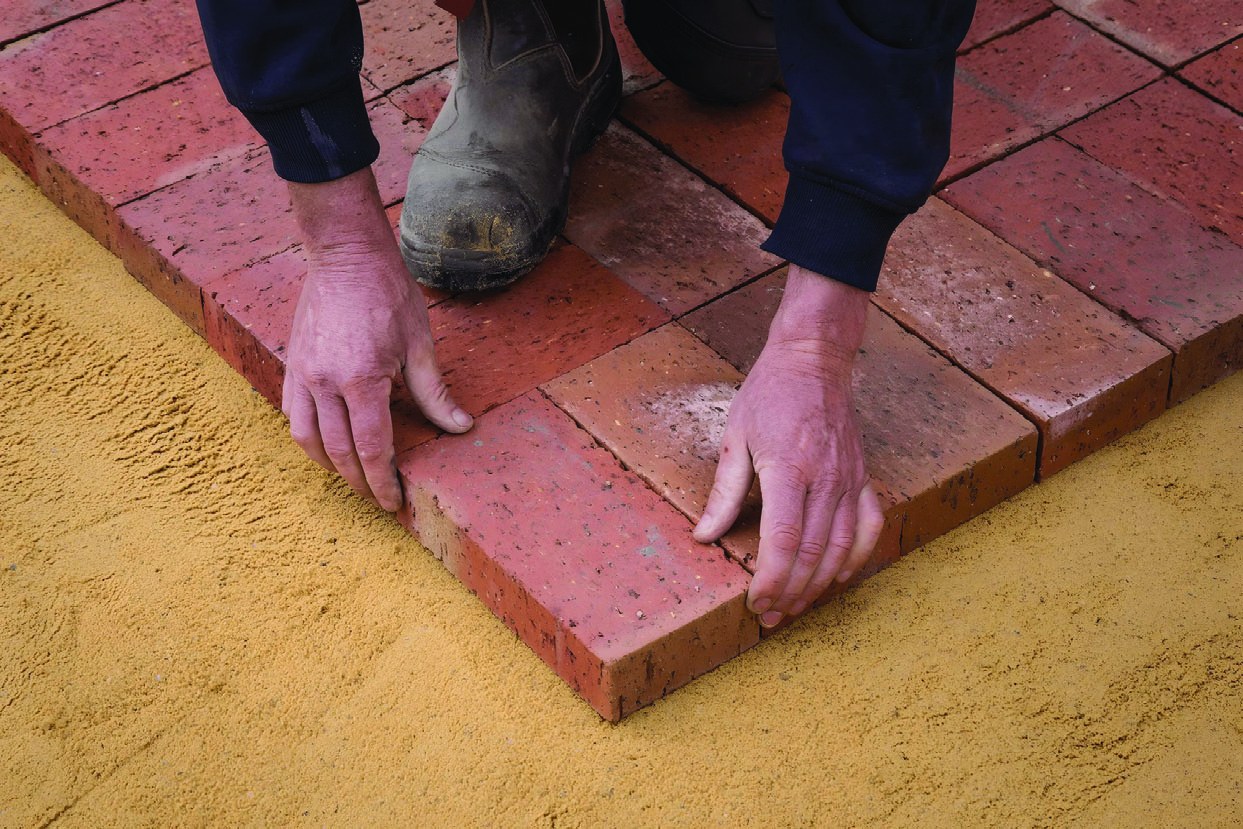
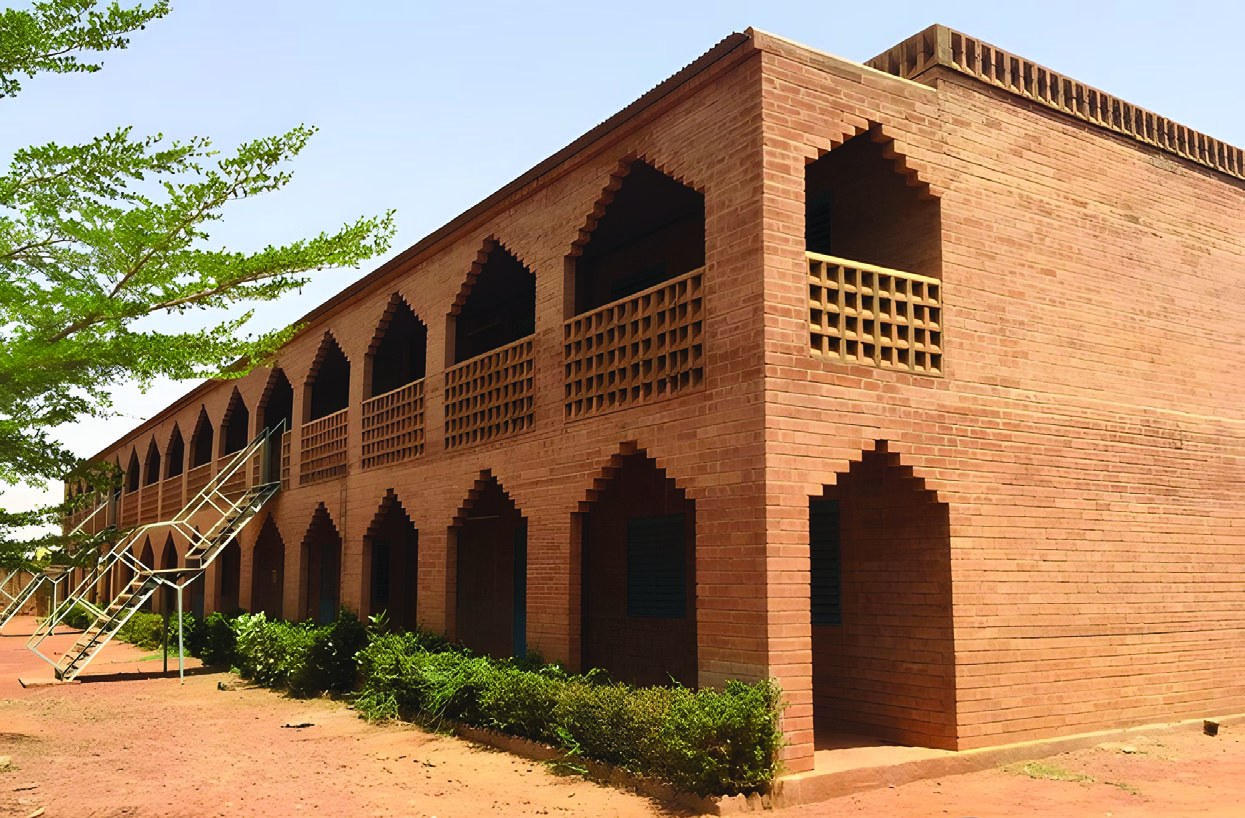
The same principle produces masonry blocks from the site's own earth, compressed directly on site. A housing, school or clinic programme can make its materials on site instead of importing them.
Case study carried out with the ECOBRICX liquid formula. Requirement: a soil containing at least 10% cohesive fines (clays, silts).
Don't take our word for it. Measure it.
It covers an area of your choice and commits you to nothing. If your soil is not suitable, it stops there. If it is, you receive a costing based on your country's conditions, and you decide on the basis of measurements, not a presentation.